

Let’s get down to payrolling
One of the great things about not being a stuffy ogre in the staffing universe is that we tend to have a lot of actual conversations with the other people in this universe. We love that! Collaboration is fun, and working together with people to solve or improve something is what we dig the most. One FAQ is about whether it is better to hire a freelancer on a 1099 or W-2 basis. At the suggestion of our own trusty advisors, we offer our candidates the opportunity to work on our client’s behalf only as a W-2 employee of smartdept. inc.
Why, you’re asking? Well, how much time do you have?
The long and short of it is that making our freelancers W-2 employees as soon as they accept an assignment allows us to offer our working talent the benefits they deserve. It also keeps us on the right side of employment law and protects us from potential penalties – if we had a freelancer working as an independent contractor and they forgot to file their earnings with the IRS, we would be on the hook for paying their penalty.
This next bit is a little dry, but your friends at the Internal Revenue Service (you may also know them as the IRS) would want you to know that they require subcontractors to submit IRS Form 1099-MISC with their annual tax returns? Subcontractors, or what we lovingly refer to as freelancers, must report earnings of $600 or more from a company in a calendar year. A freelancer must provide earnings information to the IRS even if they do not receive 1099 forms. And, oh, by the way, companies that fail to provide these forms to their freelancers may face IRS penalties of at least $250 for each incident.
In a nutshell (that’s a phrase only people born before 1971 use), companies usually mail 1099 forms to their freelancers in January. The forms should list the freelancer’s earnings and notes any income tax withholding. In February, companies report 1099 information to the IRS. That alerts the IRS to expect certain taxpayers to report the income, and each form is linked to a taxpayer by a Social Security number, and freelancers may receive multiple 1099s in one year.
Are you with me so far?
Great, but if scary things make you squeamish, get ready to cover your eyes! I’ve heard some companies pay freelancers “under the table” by paying them in cash! This little creative workaround allows the freelancer to avoid reporting the money as income, possibly resulting in tax savings. Even though companies paying under the table may pay lower wages than they would under normal circumstances, this is a bad idea because both the company and their freelancer could face penalties if the IRS found out.
The minimum penalty is $250, but (remember when I told you to cover your eyes) total penalties for the calendar year could total as much as $500,000, depending on the size of the business. OUCH! To add insult to injury, the IRS also imposes penalties for sending 1099 information late and may learn about missing 1099 information when subcontractors report the income but note it did not receive a 1099.
What does it all mean?
It means that the 1099 process can be time-consuming and costly. Time is money! And, money is money! Kinda like bitcoin is money and nonfungible tokens are, too. Okay, maybe not exactly like that.
Look, it doesn’t matter if we find your freelancer for you or not. Everyone payrolled through smartdept. inc. is a W-2 employee of the smartdept. inc. This is helpful to them because they are paid bi-weekly (no chasing invoices) and are automatically entitled to benefits like healthcare, paid sick leave, and 401k. As their employer, we cover payroll taxes, onboarding, record keeping, HR/employee compliance, and time tracking. Oh man, you’ll be able to do so many more activities (Step Brothers reference).
Let’s just agree that time is money, money is money, and using smartdept. inc. to payroll your freelancers is a great way to save you both.
Drop us a line at getsmart@thesmartdept.com if you’d like more information.


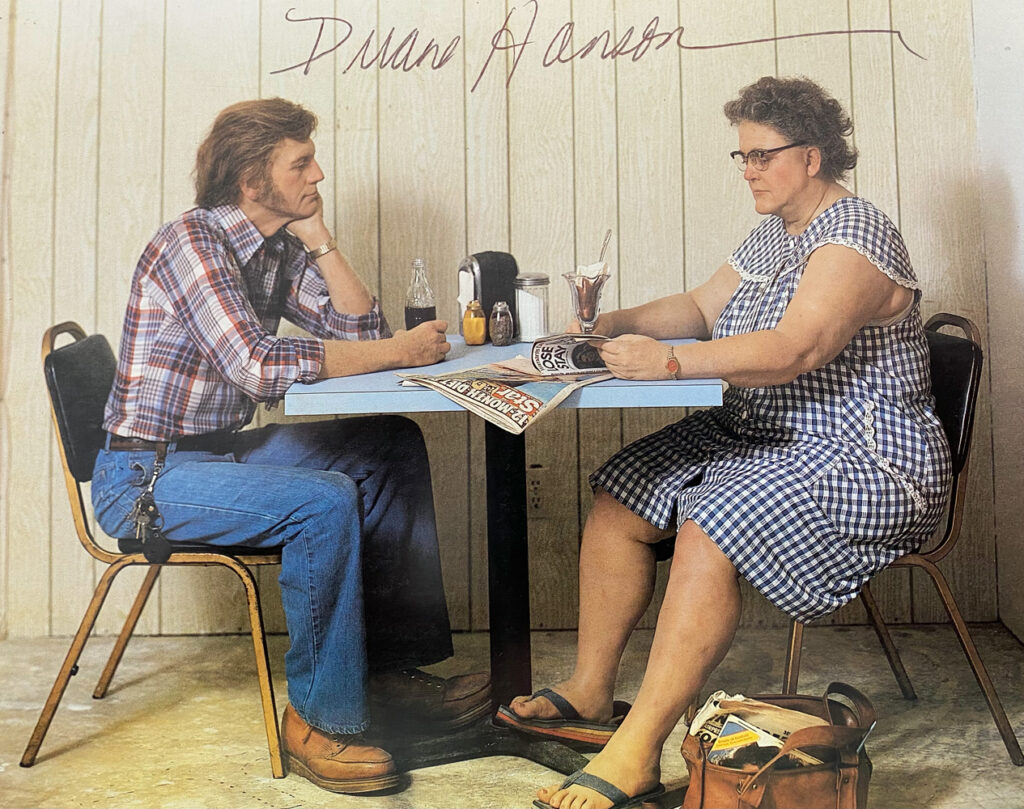
 To the best of my recollection, the story goes something like this… it was the wee hours of the morning when the night custodian was passing through the lobby of the building he was tending to. Suddenly he was startled! The hairs on the back of his neck were raised just slightly as he caught the presence of a woman out of the corner of his eye. He had locked the door behind him after he entered the building, and up until that moment, it was business as usual. But unexpectedly, there she was. A middle-aged, disheveled woman dressed in rag-tag attire and resting comfortably at a nearby table. She appeared to be content, if not deeply consumed, by the bag of personal items that accompanied her.
 Yes! This story takes place during a time when you actually had to go to the phone. Attached to a wall. With a cord!
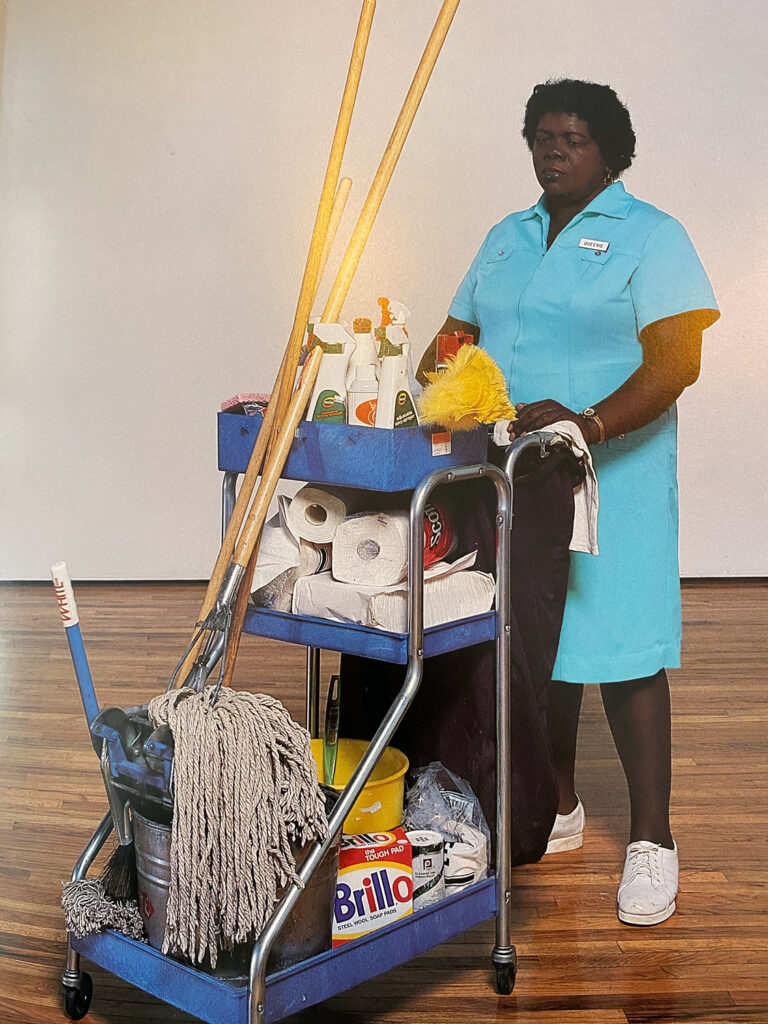 Born on January 17, 1925, in Alexandria, MN, Hanson received his MFA from the Cranbrook Academy of Art in Bloomfield Hills, MI, in 1951. His works can be found in the Smithsonian American Art Museum collections in Washington, D.C., the Whitney Museum of American Art in New York, and the Scottish National Gallery of Modern Art in Edinburgh.


 All the way back in 2002, Jamie and her husband (and right-hand man at Lolablue) DJ were burning a candle that was leaving a curiously unpleasant pile of soot. Thinking the black flakey powder pile didn’t fit with the theme of relaxation associated with burning a candle, they began to do a little digging. It turns out this gathering of amorphous carbon carried along with it potentially cancer-causing carcinogens, too. How’s that for romance? Soon after this discovery, Jamie began making her own candles with something better for us all. Soy! At first, she made them for herself, and then for friends, and then for Christmas presents, and then… well you get the point, people like them.
 Like many entrepreneurial stories, Jamie and DJ had to rise from the (potentially carcinogen filled) ashes and fight to get where they are today. In 2007 the recession hit. Jamie was staying home to raise Dakota, making candles and spending her weekends traveling to various farmer’s markets to sell her products. The couple had invested in a real estate magazine with the hope of making it successful enough to turn a profit and use the money to invest back into Lolablue. But, when the real estate market bottomed out, so did their magazine venture, and like many people during that time, they trudged along for a while. DJ found a succession of opportunities outside of the comfortable wax walls of Lola, but because of the economic state of the world, nothing seemed to stick. With product literally oozing out of their home in the hot Florida sun, Jamie had what she refers to as “the utility sink moment.” Doubt was creeping in, and she was coming to the realization that a decision needed to be made about what lies ahead. Does she keep moving forward with Lolablue, or should she get her portfolio and resume up-to-date and use her contacts to get back into the creative workforce? With money running out, and their family’s future hanging in the balance (and in the middle of a recession), JAMIE AND DJ WENT ALL IN! They took the little money they had (and probably some that they didn’t) and leased warehouse space. The new digs, which they got on the cheap because of said recession, allowed them to store their existing product and gave them the necessary space to make more. “Every time I thought it was over, something popped up that kept us going,” Jamie would say. DJ also made a decision. He stopped looking for the next, “get us through,” opportunity, and began to focus his full attention on a life of Lolablue Living.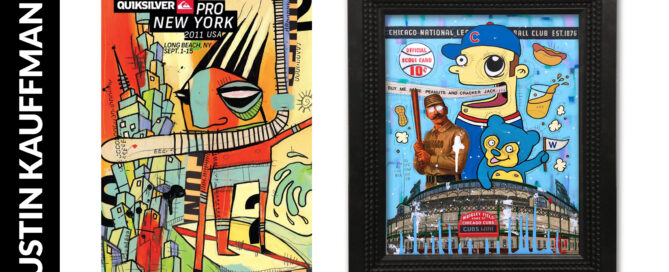
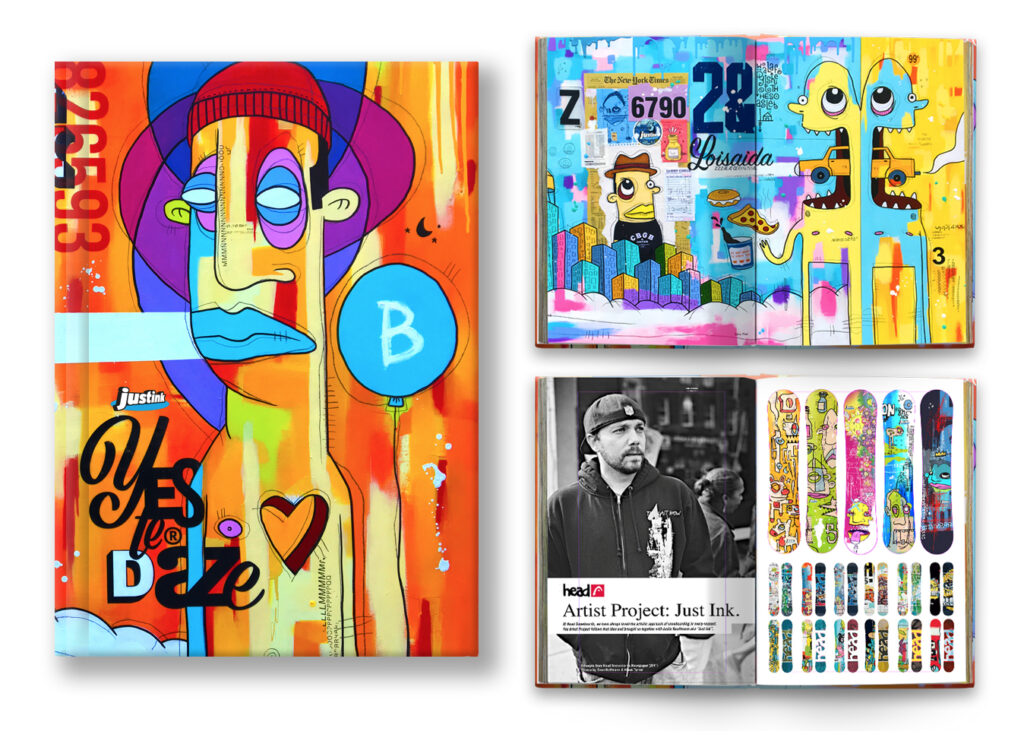



 As unaware as I was of his creative accomplishments, Dunnick and his band of faculty softballers had even less information about this incoming class of Art School Freshman. It turns out that our group went against the grain. We were, in fact, loaded with kids who were both artistic and athletic. Several of us played ball in high school and lived for the game. I doubt any of us had the sense to give way to the rag-tag group of middle agers who held our creative futures in their gnarled hands. The details of the actual game are a bit cloudy after 30 years. I do recall that nobody was taking it easy on one another and that there was at least one collision at home plate, we were all filthy by games end and the faculty was quite surprised (and irritated) by its defeat at the hands of its new students.









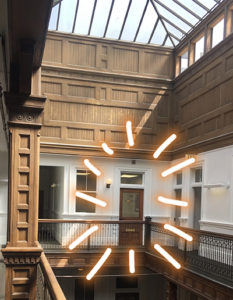 We’re now in the historic Pioneer Building on the corner of 1st and James. Don’t let the vintage exterior fool you though, inside we’ve got all the latest amenities including elevators and air conditioning! Our new building can be a little confusing if it’s your first time visiting us so here’s a crash course on how to get to the coolest staffing office in Seattle.
